Xi'an

Qin archaeology, Tang cosmopolitanism and Silk Road memory

Private Field Guide · Xi’an

A capital read chronologically.

The Xi'an region was the political and cultural heartland of several major Chinese dynasties, and ancient Chang'an became one of the great cosmopolitan capitals of the Han and Tang worlds. The Mausoleum of the First Qin Emperor and its terracotta army anchor the earlier Qin story, while later palaces, temples, collections and food traditions reveal the city's Silk Road connections.

Xi'an should be read chronologically. Qin unification, Han exchange, Tang cosmopolitanism and later Islamic communities each occupy a different layer; a strong guide prevents the city's many monuments from becoming disconnected objects.

Four layers of archaeology, exchange and urban history.

Signature Experiences

Xi’an’s ancient capital heritage illuminated after dusk
Ancient capitalXi’an
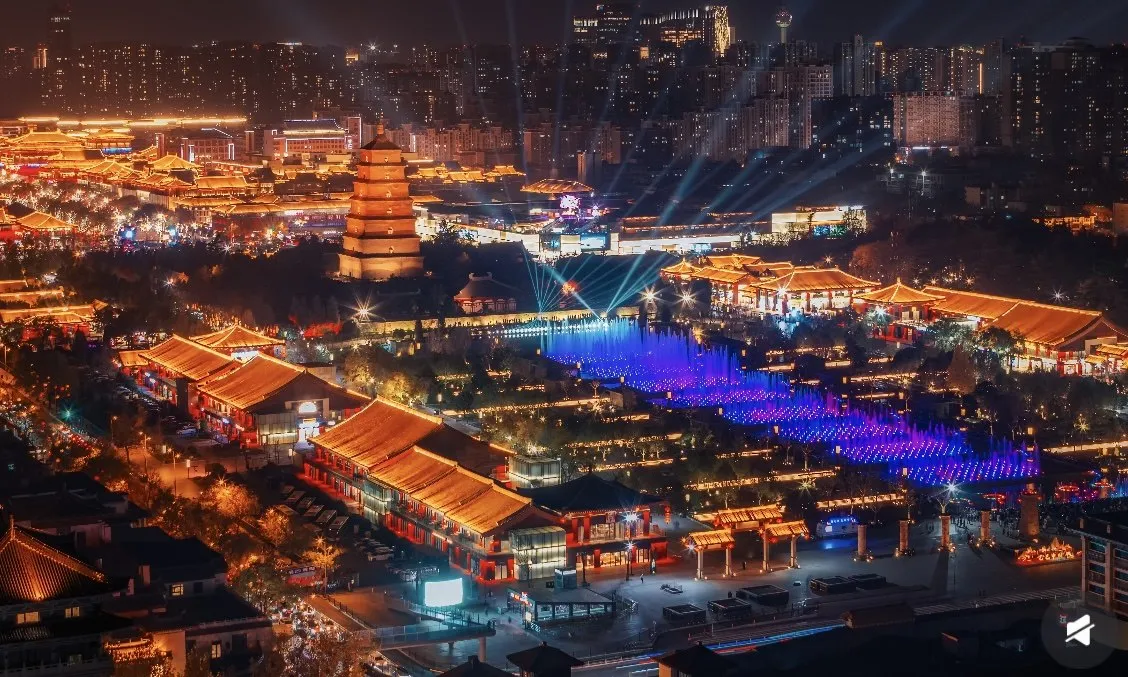
Xi’an’s Giant Wild Goose Pagoda and Tang-style city lights at night
Tang capitalXi’an

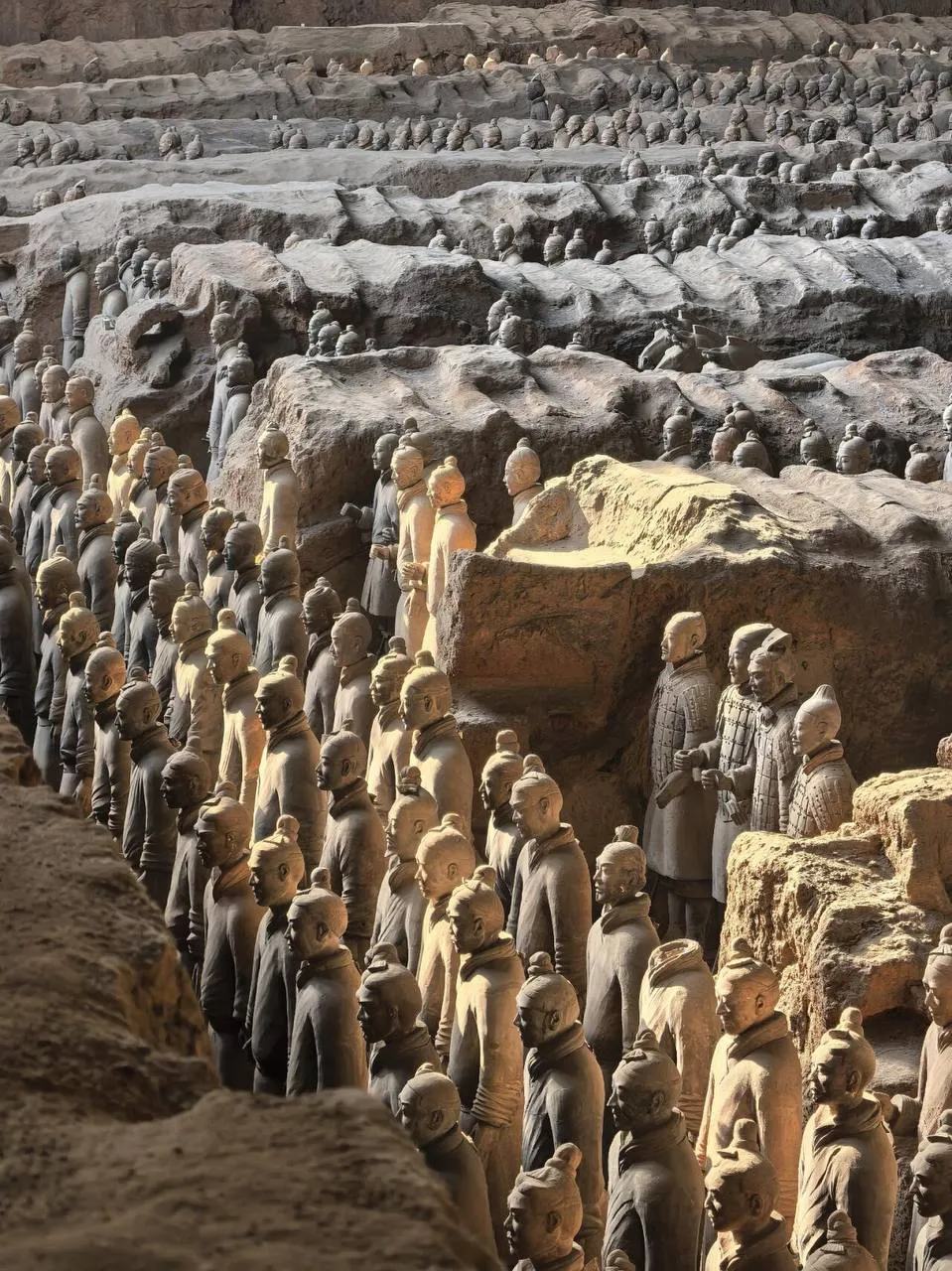
Qin Archaeology

Mausoleum of the First Qin Emperor

The UNESCO World Heritage property was created for Qin Shi Huang, the first emperor to unify China. The terracotta army is part of a much larger planned funerary landscape whose central tomb remains unexcavated.

Museum Collections

Shaanxi History Museum

The museum's collections span major periods of Chinese history, with exceptional bronzes, ceramics, gold and silver, tomb objects and Tang material. Advance reservation is essential.

Silk Roads

Chang’an and the Silk Roads

The UNESCO-listed Chang'an–Tianshan Corridor begins from the ancient capital region and records exchanges in trade, religion, technology and art across Eurasia.

Walled City

City Wall and Religious Quarters

The Ming city wall frames the historic centre, while the Great Mosque and surrounding lanes express the long presence of Chinese Muslim communities within Xi'an's urban culture.

Seasonality

When to Travel

March to May and September to October are usually the most comfortable periods for archaeological sites and city walks. Summer is hot and can be crowded; winter is cold and dry but offers a quieter, more monumental atmosphere.

Our Approach

The XIN Way

Keep the Qin mausoleum on its own day, secure museum admission early, and let a historian-led sequence connect Qin, Han, Tang and Silk Road themes. Balance major archaeology with food traditions and a smaller-scale neighbourhood visit.

Practical Intelligence

Before You Go

  • Reservations: The Shaanxi History Museum and major archaeological sites use timed or real-name admission; passport details should be confirmed early.
  • Archaeological scale: The terracotta pits are only part of the wider mausoleum landscape. Interpretation adds essential context.
  • Food culture: Explore beyond one market street: biangbiang noodles, roujiamo, dumplings and halal-influenced dishes each tell a different regional story.
  • Evening programmes: Tang-themed performances vary greatly in scholarship and production style; choose the programme according to historical or theatrical priorities.

Frequently Asked

Design Your Xi'an Journey

Let us shape the timing, reservations and private experiences around the way you want to travel.

Start Planning →