UNESCO City of Design
Shenzhen was the first Chinese city to join UNESCO's Creative Cities Network in the field of design. Architecture, product design, technology and public culture are central to its contemporary identity.
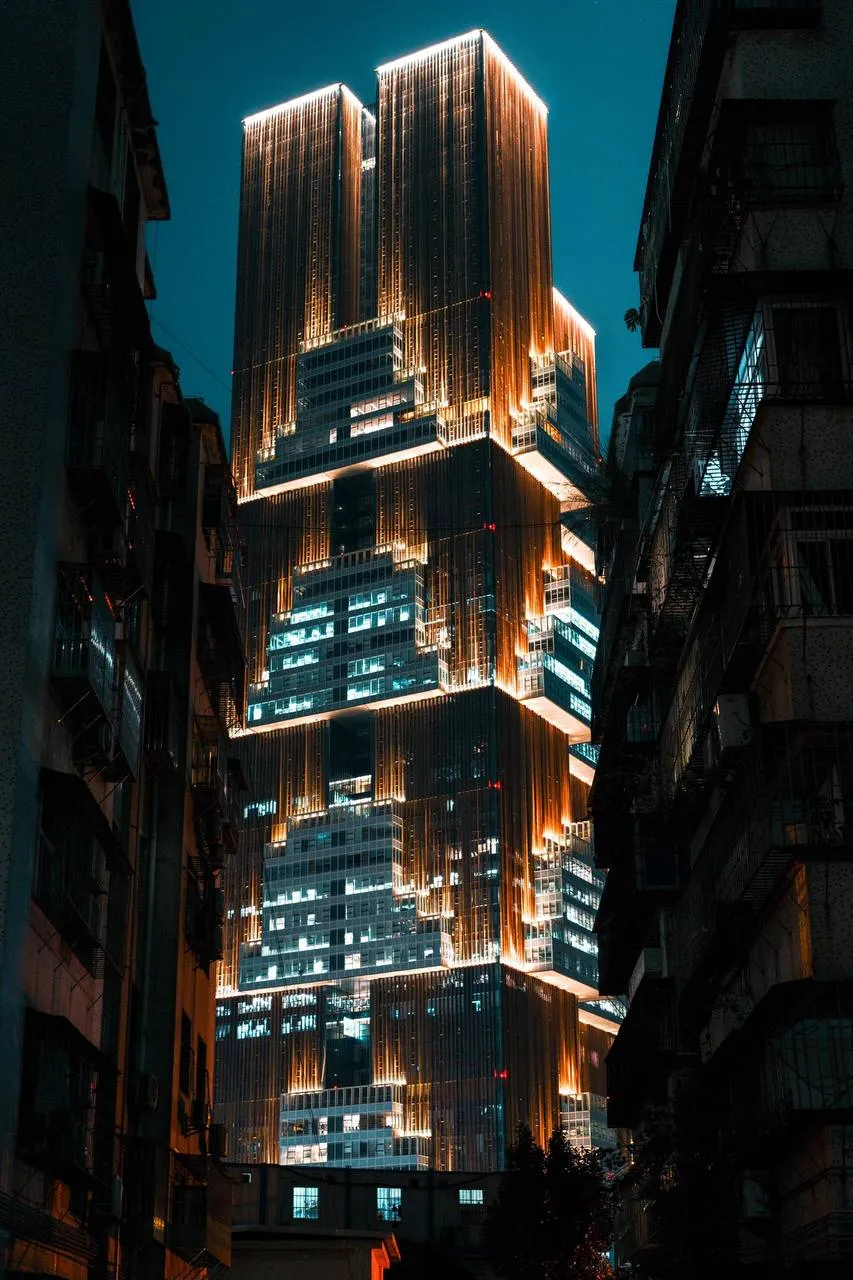
China’s design capital, contemporary culture and a coastal edge
Private Field Guide · Shenzhen
Shenzhen's modern identity was accelerated by its designation as a Special Economic Zone in 1980, but the city is more than a technology headline. It became the first Chinese city designated a UNESCO City of Design and now supports a broad landscape of architecture, museums, creative districts and coastal heritage.
The city's value lies in seeing how quickly design can shape urban life. Former industrial buildings have become creative spaces, civic museums anchor new districts, and protected coastal sites preserve an older Pearl River Delta history.
Four readings of design, museums and coastal defence heritage.
Shenzhen was the first Chinese city to join UNESCO's Creative Cities Network in the field of design. Architecture, product design, technology and public culture are central to its contemporary identity.
OCT-LOFT transformed former industrial buildings into a creative quarter of studios, galleries, bookshops and cultural venues, offering a human-scale contrast to the city's larger civic projects.
The Museum of Contemporary Art and Planning Exhibition and other civic institutions present art, urbanism and the extraordinary pace of Shenzhen's development. Exhibition schedules should guide the visit.
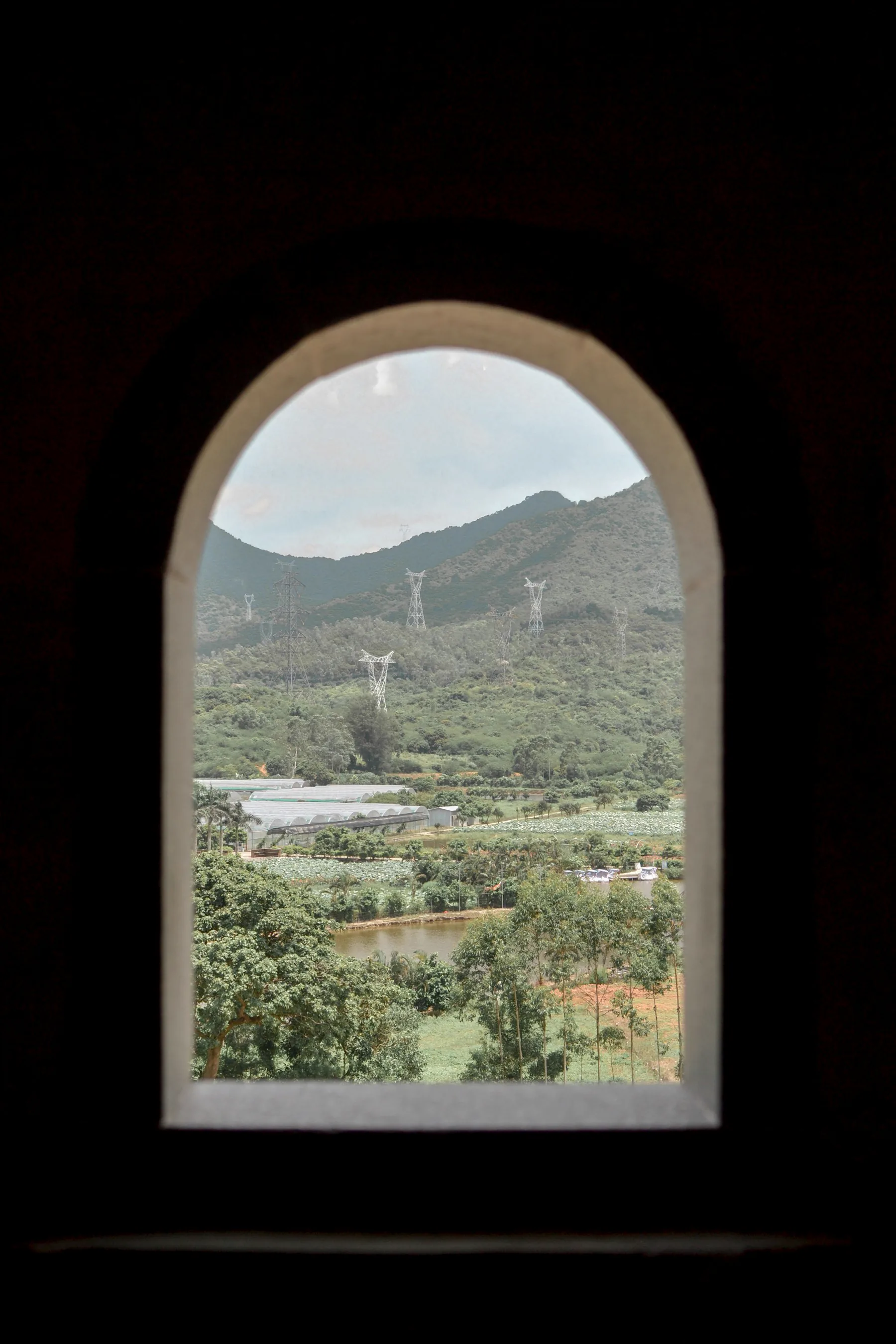
Ming-era Dapeng Fortress and the surrounding coast introduce defensive history, villages and natural scenery that predate the modern metropolis.
Seasonality
October to January is generally the most comfortable period, with lower humidity and mild conditions. Spring is warmer and wetter; summer is hot, humid and within the regional typhoon season.
Our Approach
Treat Shenzhen as a design and urbanism destination. Select a small number of meaningful institutions, allow a guide to connect architecture with the city's economic history, and reserve a separate coastal day if Dapeng is included.
Practical Intelligence
Let us shape the timing, reservations and private experiences around the way you want to travel.
Start Planning →