Macau

World Heritage streets, Macanese gastronomy and grand hotel culture

Private Field Guide · Macau

Histories held in close proximity.

Macao, widely spelled Macau in travel contexts, is a compact meeting place of Chinese and Portuguese histories. Its UNESCO-listed Historic Centre brings together more than twenty monuments and urban squares, while over four centuries of culinary exchange earned the city UNESCO Creative City of Gastronomy status in 2017.

The city's interest lies in proximity: an A-Ma temple, Portuguese paving, Chinese shophouses, Catholic façades and ambitious modern interiors can all belong to the same day. The best itinerary preserves those contrasts instead of choosing only heritage or resort glamour.
Four layers of heritage, gastronomy and contemporary hospitality.

Signature Experiences

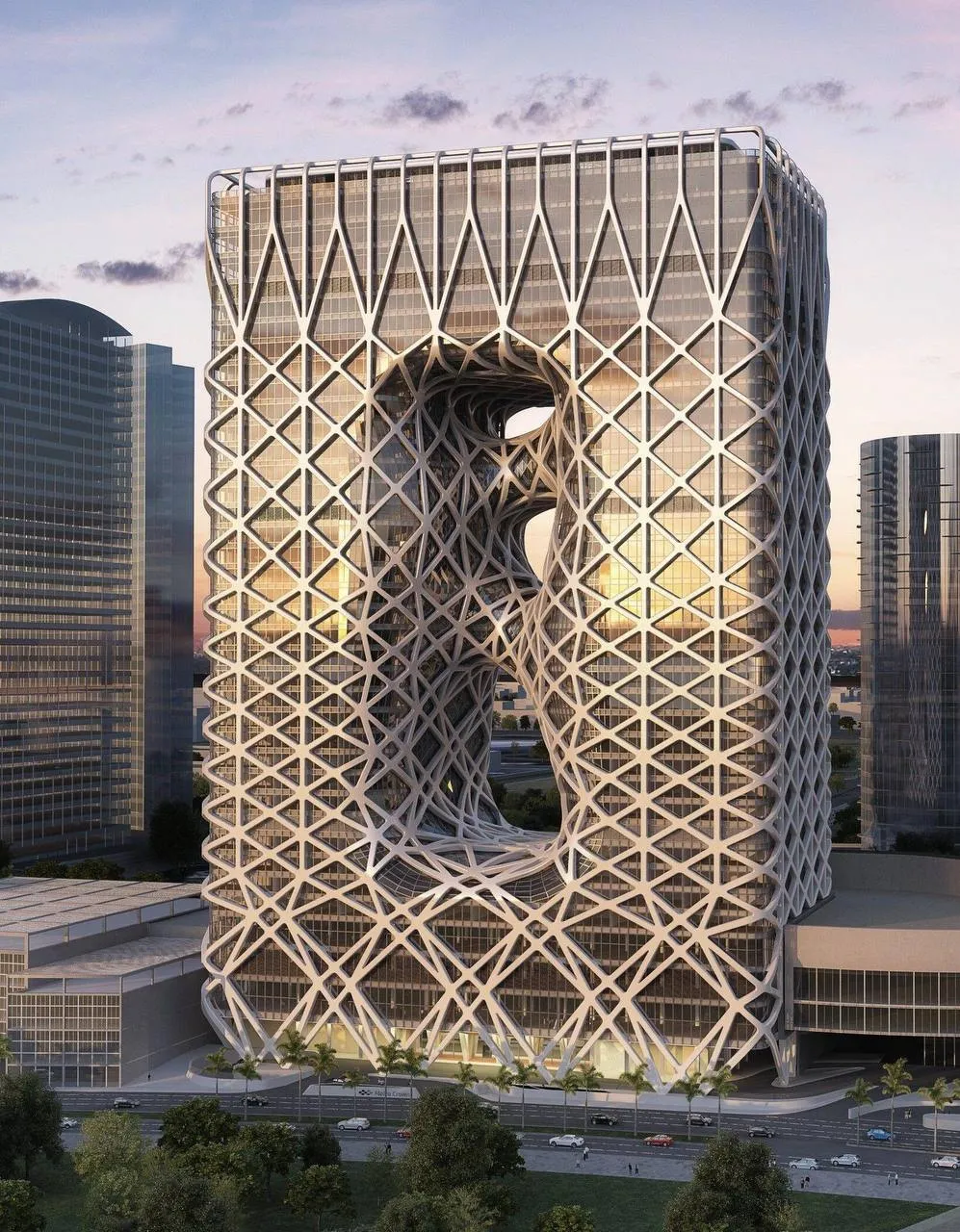
Morpheus hotel’s sculptural architecture in Macau
Modern hospitalityCotai
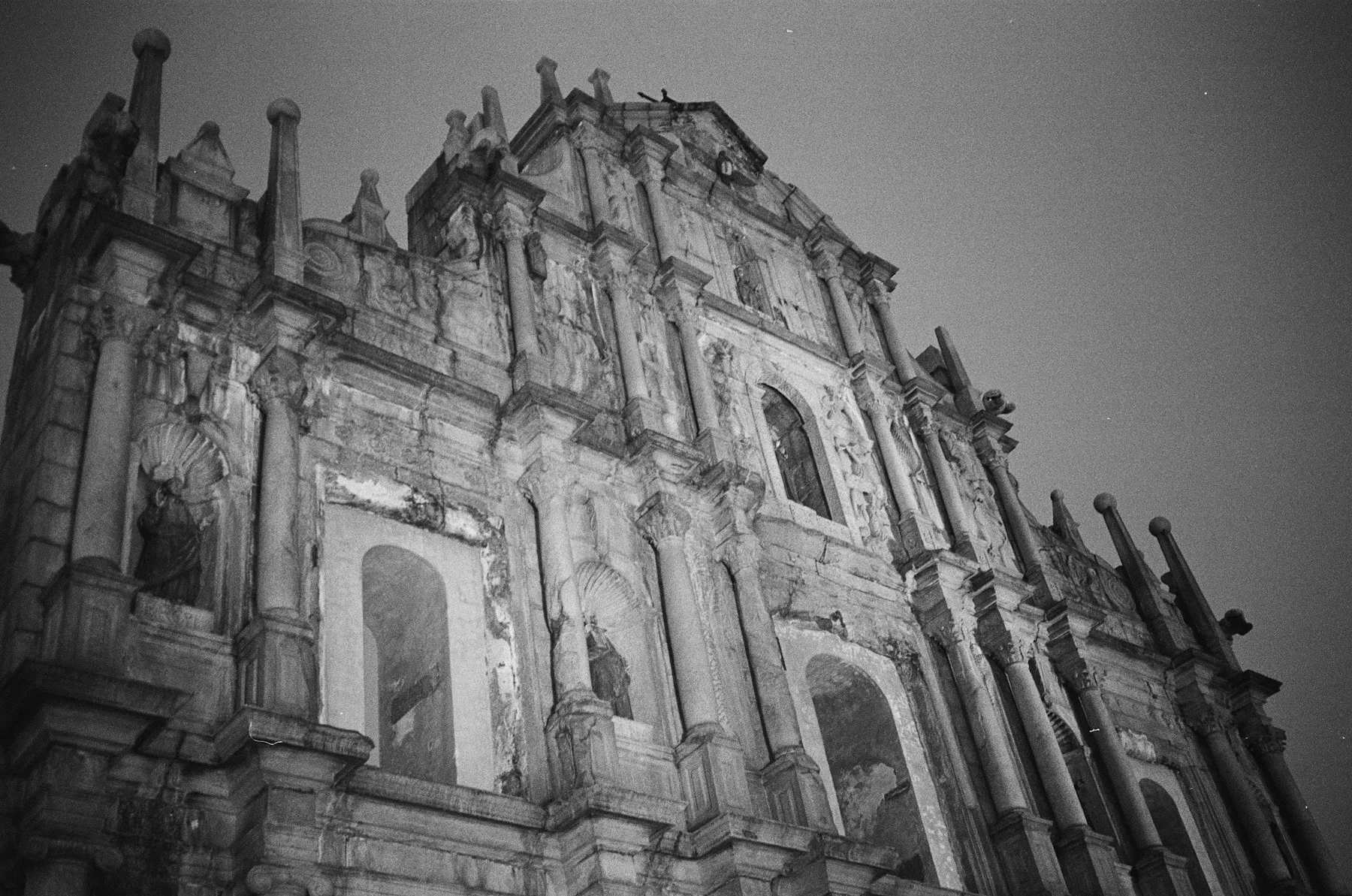
The stone façade of the Ruins of St. Paul’s in Macau
Shared heritageSt. Paul’s

Shared Heritage

Historic Centre of Macao

Inscribed by UNESCO in 2005, the historic centre links Chinese and Western monuments through a sequence of squares and streets. A-Ma Temple predates the city; Senado Square and the Ruins of St Paul's tell later chapters of exchange.

Gastronomy

Macanese Gastronomy

Macanese cooking grew from Portuguese methods meeting ingredients and traditions from China, Africa, India and Southeast Asia. Minchi, African chicken and other local dishes belong beside Cantonese and Portuguese tables.

Village Scale

Taipa and Coloane

Village lanes, temples, churches and low-rise neighbourhoods preserve a more intimate scale than the central peninsula and Cotai, especially when explored outside peak dining hours.

Modern Hospitality

Contemporary Hotel Culture

Cotai's leading properties combine ambitious architecture, art, restaurants, performance venues and resort facilities. Choose experiences selectively rather than attempting every complex.

Seasonality

When to Travel

October to December is generally the most comfortable period, with lower humidity and milder temperatures. Spring can be misty and wet; summer is hot, humid and exposed to typhoon disruption. Major festivals and the Macau Grand Prix create strong demand.

Our Approach

The XIN Way

Begin with heritage before the busiest hours, reserve a serious Macanese or Portuguese lunch, and use the evening for one excellent restaurant, performance or art-led hotel experience. Two nights allow the city to feel layered rather than transactional.

Practical Intelligence

Before You Go

  • Heritage sequence: The UNESCO property is a network of sites, not one monument. A guided route makes the cultural exchange legible.
  • Dining: Macanese restaurants can be small and reservation-dependent; secure the essential table before adding other activities.
  • Events: Grand Prix, holiday and major entertainment dates can materially change hotel availability and the atmosphere of the city.
  • Pace: Heat and humidity make a measured rhythm—with time indoors between heritage walks—more comfortable for much of the year.

Frequently Asked

Design Your Macau Journey

Let us shape the timing, reservations and private experiences around the way you want to travel.

Start Planning →