Chongqing

Cliffside urban drama, Bayu culture and the Three Gorges gateway

Private Field Guide · Chongqing

A river city read in elevation.

Chongqing rises around the meeting of the Yangtze and Jialing rivers, with districts stacked across steep hills and bridges spanning deep valleys. The topography gives the city its cinematic nightscape, but its cultural depth reaches far beyond the skyline—from Bayu traditions and Chongqing hot pot to two major World Heritage stories in Dazu and Wulong.

Chongqing rewards travelers who embrace verticality. Views change floor by floor, streets emerge above rooftops, and the rivers organize the city more clearly than a flat map. A private driver and local guide preserve energy and reveal the logic behind the apparent chaos.
Four readings of river, carving, karst and table.

Signature Experiences

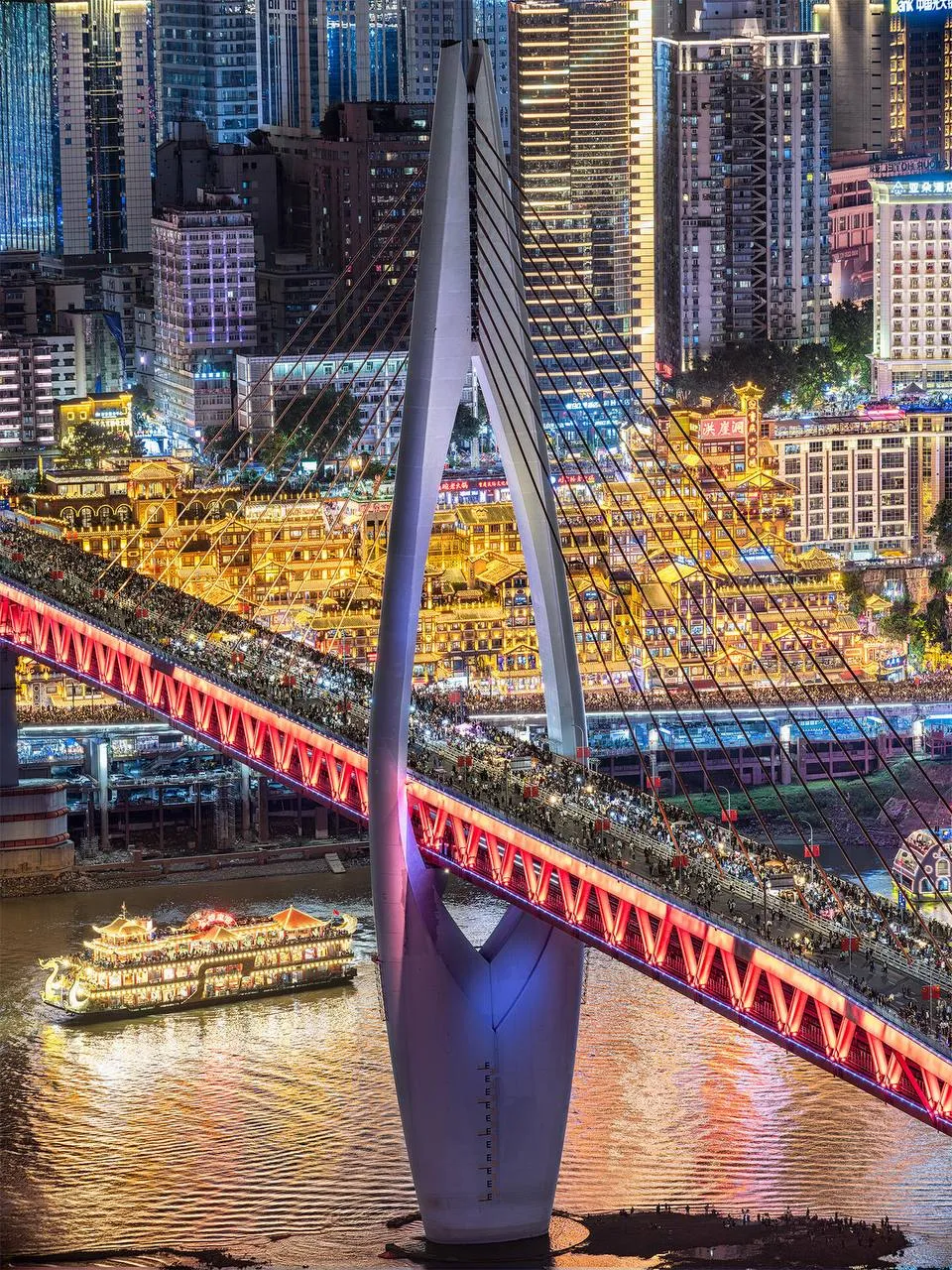
Chongqing rising in layers above its rivers
River cityChongqing
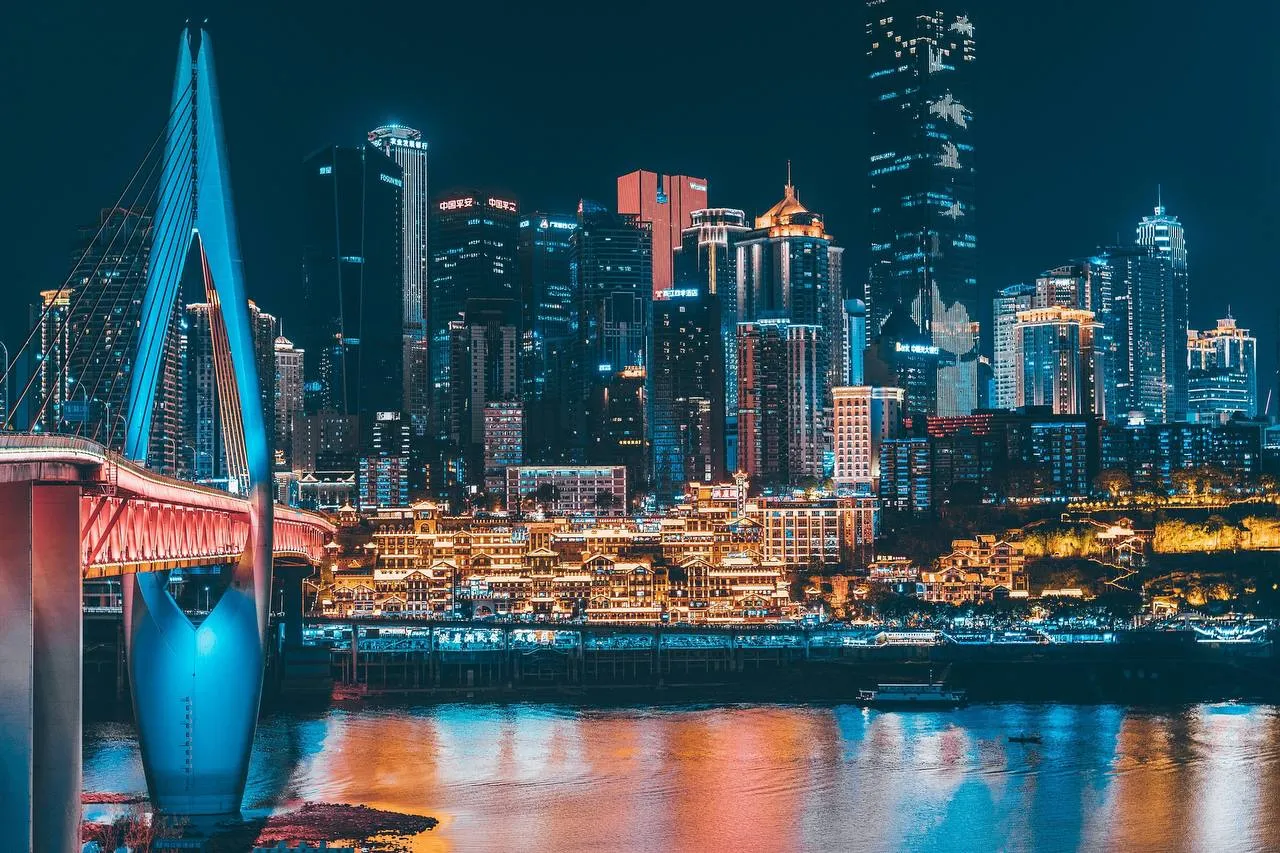
Chongqing’s layered riverfront illuminated at night
River city after darkChongqing

River City

The River City at Night

View the confluence and cliffside districts from more than one elevation. Hongyadong is a contemporary riverside complex inspired by regional stilt-house forms; its illuminated terraces have become part of Chongqing's modern image.

Sacred Carvings

Dazu Rock Carvings

This UNESCO World Heritage property includes more than 70 protected sites and over 50,000 statues. The principal clusters bring Buddhist, Taoist and Confucian imagery into unusually vivid contact with everyday life.

Karst Landscape

Wulong Karst

Wulong forms part of the UNESCO-listed South China Karst. Natural bridges, caves, gorges and limestone landforms make it a full landscape expedition rather than a brief scenic stop.

Regional Table

Chongqing Hot Pot

The city's defining table is built around a deeply seasoned broth and an exact order of ingredients. A well-selected restaurant and guidance on spice level turn the meal into cultural interpretation rather than a test of endurance.

Seasonality

When to Travel

March to May and October to November usually offer the most balanced conditions. Summer can be extremely hot and humid. Winter is cool, damp and often misty, which softens long views but can make the illuminated river city especially atmospheric.

Our Approach

The XIN Way

Separate the urban story from the World Heritage landscapes. Use one day for the river confluence, old neighbourhoods and evening views, then choose Dazu for art and religious history or Wulong for geology—or give each its own day in a longer stay.

Practical Intelligence

Before You Go

  • Terrain: Steep gradients, layered entrances and long stairways make door-to-door private arrangements materially more comfortable.
  • Visibility: Fog and rain are part of the regional climate. Keep the viewpoint sequence flexible rather than relying on one fixed panorama.
  • Cuisine: Clarify spice tolerance before a hot-pot reservation; split broths and carefully chosen ingredients can make the experience more nuanced.
  • Heritage days: Dazu and Wulong are distinct full-day experiences with very different character. Choose according to interests in art history or natural landscapes.

Frequently Asked

Design Your Chongqing Journey

Let us shape the timing, reservations and private experiences around the way you want to travel.

Start Planning →