Beijing

Imperial China, interpreted with depth and space

Private Field Guide · Beijing

Read the capital along its axis.

Beijing is best understood as an imperial plan made visible. Its north–south Central Axis, inscribed on UNESCO's World Heritage List in 2024, links ceremonial spaces, former palaces, gardens and civic landmarks in an urban composition shaped over centuries. At its heart, the Palace Museum occupies the Forbidden City, the palace of the Ming and Qing dynasties and a World Heritage Site since 1987.

The city's scale is part of its character. Monumental courtyards, long processional approaches and axial views reward unhurried interpretation; quieter contrasts come from courtyard lanes, temple gardens and meals that trace imperial, northern and Muslim culinary traditions.
Four readings of palace, axis, wall and garden.

Signature Experiences

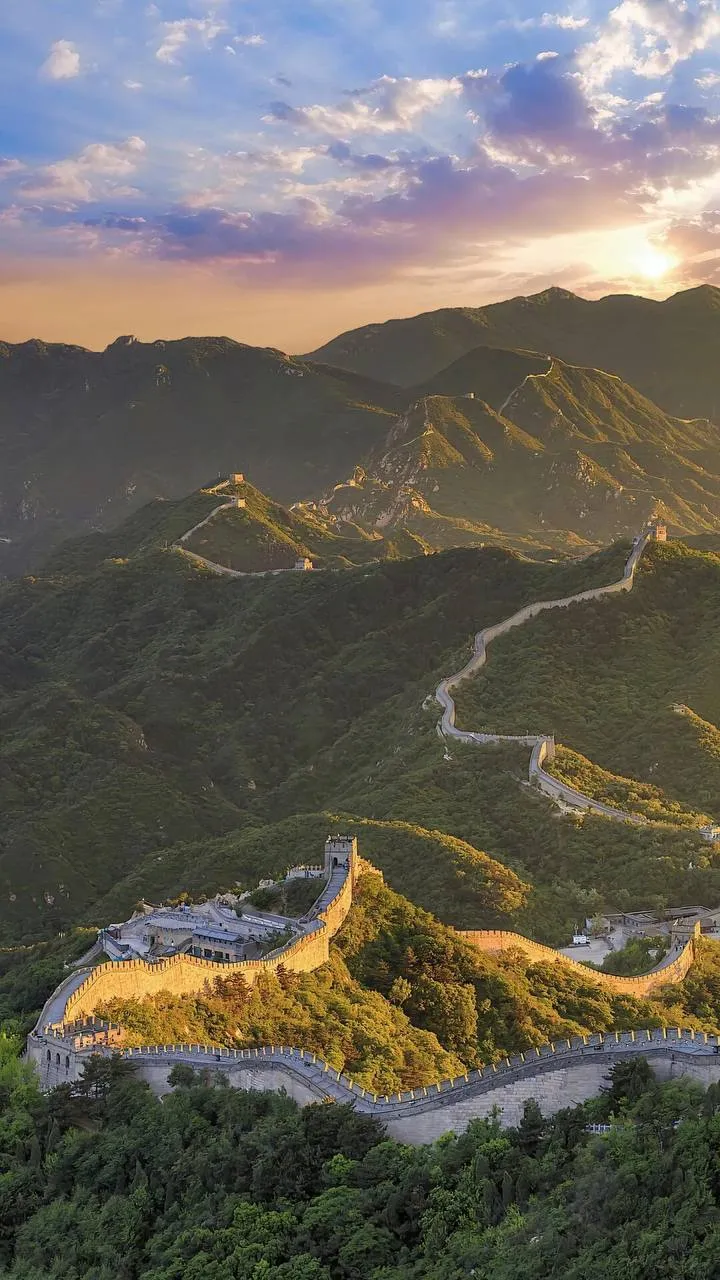
The Great Wall crossing forested ridgelines outside Beijing
Mountain frontierMutianyu
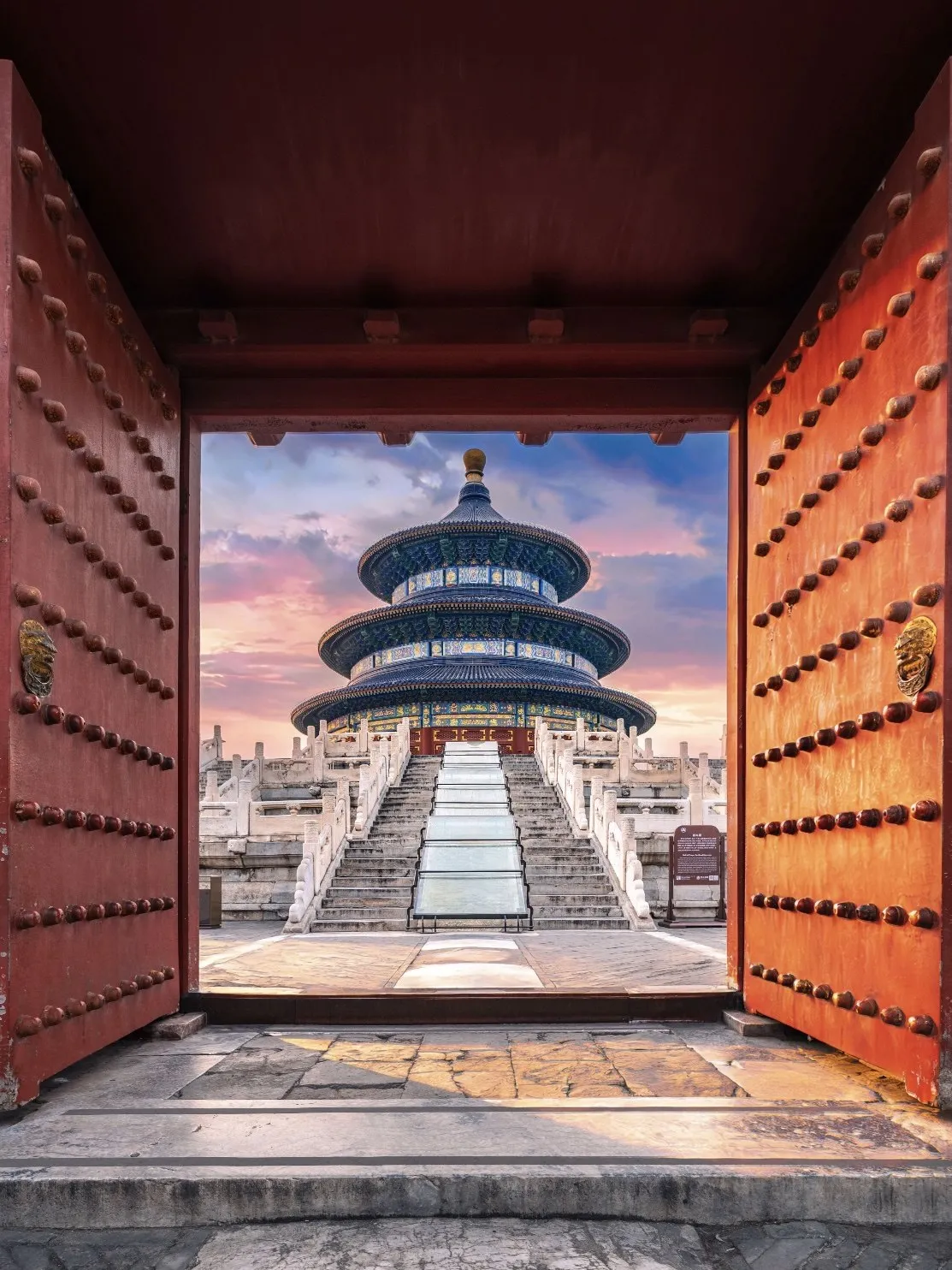
The Temple of Heaven framed by an imperial red gate in Beijing
Ceremonial orderBeijing

Imperial Palace

The Forbidden City

The former imperial palace of the Ming and Qing dynasties is now the Palace Museum. Its sequence of ceremonial halls, residential courts and imperial collections deserves a substantial visit, supported by advance admission planning.

Civic Axis

Beijing Central Axis

The World Heritage-listed axis expresses the ideal order of the traditional Chinese capital. A specialist guide can connect the Temple of Heaven, imperial city, historic gates and later civic spaces as one coherent urban story.

Fortified Landscape

The Great Wall at Mutianyu

Mutianyu presents a restored section of the Great Wall across forested ridgelines northeast of central Beijing. It works best as a dedicated excursion rather than an add-on to a city sightseeing day.

Landscape Garden

The Summer Palace

This Qing imperial garden combines Longevity Hill, Kunming Lake, architecture and carefully composed views. UNESCO recognizes it as a masterpiece of Chinese landscape-garden design.

Seasonality

When to Travel

April to May and September to October generally bring the most comfortable conditions for long heritage days. Winter is cold but can give the city's architecture a clear, austere beauty. Summer is hotter and wetter, while major national holidays bring especially heavy demand at landmark sites.

Our Approach

The XIN Way

Plan Beijing as a series of complete chapters, not a checklist. Secure the Palace Museum and other timed admissions first, place the Great Wall on its own day, and balance monumental sites with a courtyard neighbourhood, a serious tea or craft encounter, and a well-reserved dinner.

Practical Intelligence

Before You Go

  • Reservations: The Palace Museum requires advance admission arrangements; passport details must match the booking.
  • Pace: Long approaches and large palace grounds make comfortable footwear and realistic daily timing essential.
  • Dining: Reserve notable Peking duck restaurants and private dining rooms in advance, particularly over weekends and holidays.
  • Context: A knowledgeable guide adds real value by explaining ritual order, architectural symbolism and the relationship between monuments.

Frequently Asked

Design Your Beijing Journey

Let us shape the timing, reservations and private experiences around the way you want to travel.

Start Planning →